Wind Turbine Recycling Technologies
Plan the next step for retired turbines, blades and component inventories. Bring decommissioning, material recovery and responsible reuse into a clear, project-specific plan.
A new purpose for retired turbine materials
Wind Turbine Recycling Technologies focuses on the end-of-life management of wind turbines and their components, with an emphasis on material recovery and responsible reuse.
Our mission is to support a circular economy for wind energy: minimize waste, recover usable resources and identify responsible new applications for retired turbine materials.
About our companyA clear plan from blade inventory to documented disposition
An end-of-life blade project involves more than moving material off a property. Blade dimensions, root construction, handling access, trucking configuration and receiving specifications all affect the work.
A project review brings these requirements together before mobilization so responsibilities, assumptions and deliverables can be agreed in writing.
- 01Inventory
- 02Specification
- 03Movement
- 04Records
Choose the support your project needs
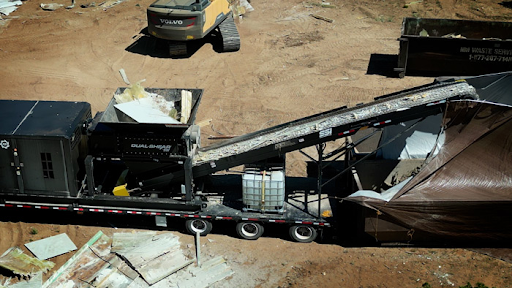
Wind Turbine Decommissioning
Bring removal, material handling and site requirements into one agreed scope.
Scope and inputs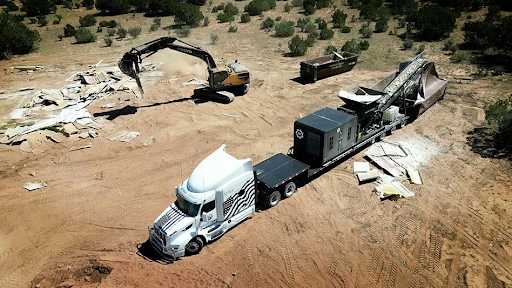
Wind Turbine Component Recycling
Separate material streams and match each one to a suitable receiving process.
Scope and inputs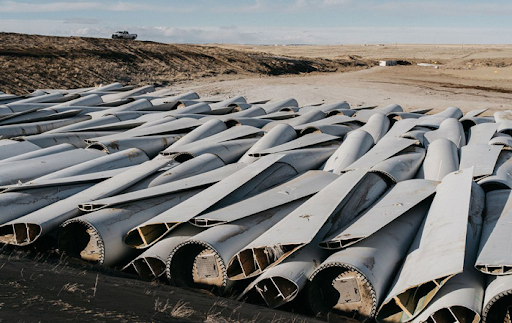
Wind Turbine Material Repurposing
Identify an actual application, receiving party and acceptance requirements.
Scope and inputs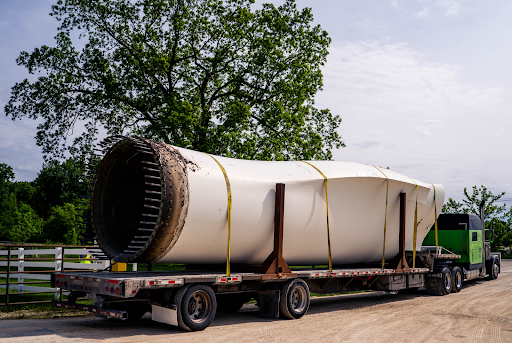
Environmental Consultation
Clarify site constraints, material management and the approvals to investigate.
Scope and inputsWhat happens to the blade material?
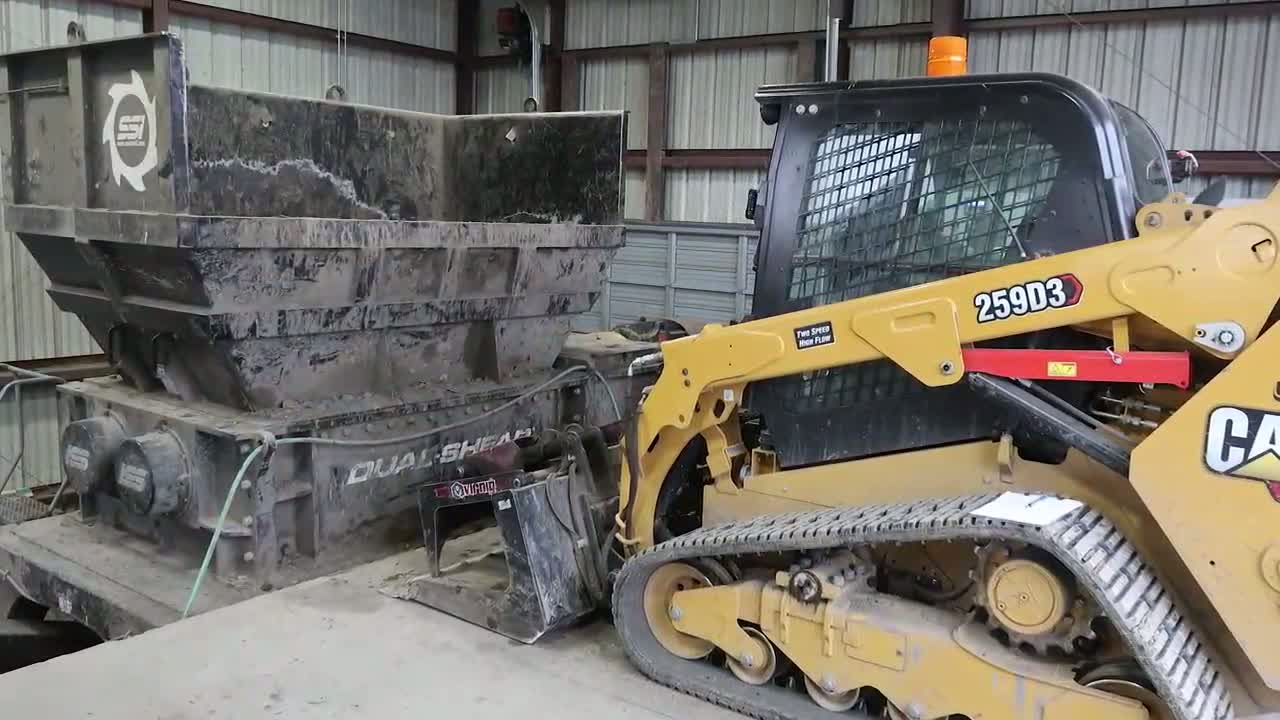
Blade material can follow different recovery pathways. The appropriate option depends on its composition, contamination, preparation and the receiving processor's acceptance criteria. Size reduction prepares material for handling or further processing; it does not by itself establish that the material has been recycled. Ask for a documented destination and the records available to verify receipt and subsequent use.
- 01PreparedReduced to an agreed size on site
- 02ShippedMoved off the property with records
- 03ReceivedAcknowledged by the receiving facility
- 04ProcessedReceiver confirms how material was treated
Built around your project conditions
Unknown values are fine — mark them unknown rather than guessing. The review identifies what must be confirmed before a firm proposal.
- Site location (state, county, access)
- Blade count
- Whole or pre-cut
- Model or length, if known
- Estimated mass and its basis
- Root sections and metal inserts
- Photographs
- Loading responsibility
- Site access conditions
- Schedule
- Desired reporting
Industry locations and confirmed coverage are different things
The counts below are industry locations: turbine records by state, Q1 2025. They show where the installed fleet is concentrated, not where blades are awaiting recycling. Confirmed service coverage is listed separately and is reviewed per project.
Projects in any U.S. state can be submitted for review, including blade recycling, turbine decommissioning and tower removal inquiries. Service availability and direct or coordinated responsibilities are confirmed per project, not assumed from wind-farm locations.
View service areasBefore a turbine comes down
Wind turbine decommissioning and tower removal: a buyer checklist
Start with the project's permits and land agreements, then separate turbine removal, tower removal, blade handling, foundations and restoration into written responsibilities. Blade processing alone is not a complete decommissioning scope.
Read the checklist ProcurementBlade recycling: confirm the destination before mobilization
Ask for a named destination, written acceptance criteria and agreed records. Cutting, shipping and receipt are distinct milestones; none alone proves a blade has been recycled.
Read the checklist LocationsPlanning an end-of-life wind project in any U.S. state
A wind-farm location is a starting point, not proof of retirement demand or contractor availability. Identify the actual county, project obligations, inventory, access and destination before requesting a scope.
Read the checklistCan pre-cut blades be assessed?+
Yes, once this service is confirmed in our verified scope. The review needs section dimensions, photographs, blade count, root details, site access and any known material information. Prior cutting does not guarantee acceptance.
Is shredding the same as recycling?+
No. Shredding reduces material size. It can be a preparation step for a recycling process, but the destination and subsequent use determine what recovery outcome can be claimed.
What changes transport costs?+
Section dimensions, weight per piece, pieces per load, loading access, haul distance, any oversize requirements, receiving windows and waiting time. Large sections often fill a trailer before reaching a weight limit.
Who confirms receiving requirements?+
The receiving processor sets its own acceptance criteria. Requirements should be obtained in writing for the specific inventory before preparation begins.
What records are available?+
Request the agreed inventory, measured weights where available, transport records, receiving acknowledgement, processing evidence where available and an exception report. The final package should distinguish material received from material confirmed as processed or recovered.
Have blades ready for review? Share the location, quantity and current condition to start a project-specific assessment.